

Lung Transplant


A New Breath, A New Beginning
Living with severe lung disease can slowly affect every part of life. Tasks that once felt simple such as walking, climbing stairs, or even having a long conversation may become challenging. A lung transplant offers the possibility of easier breathing and renewed strength by replacing a damaged lung with a healthy donor lung. India is known for its experienced transplant teams, advanced surgical care, and structured support for national and international patients. Whether you are consulting a lung transplant doctor, exploring treatment with a lung transplant surgeon in India, or comparing global options, this page will guide you through the process clearly and confidently.
What Is a Lung Transplant
A lung transplant is a life-saving operation in which a severely damaged or scarred lung is replaced with a healthy donor lung. It is considered when medicines, oxygen therapy, and pulmonary rehabilitation no longer help maintain comfortable breathing. If you have been searching for the lung transplant definition or lung transplant meaning, it is simply a procedure that restores proper oxygen flow to the body by giving you a healthy, functioning lung. A lung transplant doctor in India will carry out detailed assessments to determine whether the surgery is suitable and safe for you.

Understanding the Lungs
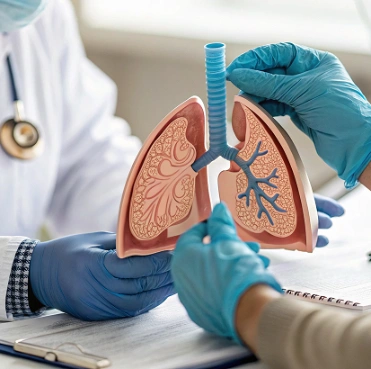
Understanding how your lungs work helps explain why lung transplant surgery may be recommended. Your lungs sit on either side of the chest and contain millions of tiny air sacs known as alveoli. These air sacs allow oxygen to enter your bloodstream and help remove carbon dioxide from the body. The airways, lung tissue, and breathing muscles work together to support this essential exchange. When the lungs become stiff, scarred, or permanently inflamed, this natural process becomes difficult. Oxygen levels drop, breathlessness increases, and daily activities become harder. At this point, a lung transplant surgeon may discuss whether transplantation is the most effective long-term solution.
Symptoms That Indicate the Lungs Are Failing
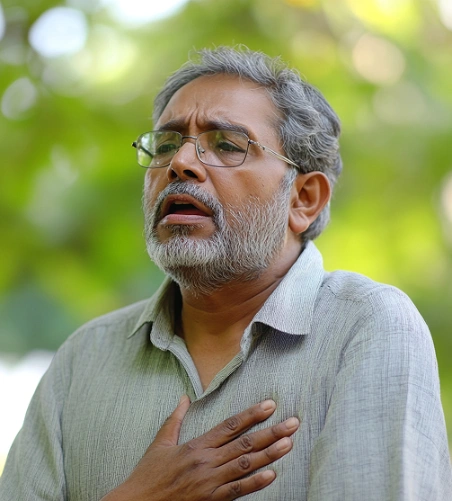
Common symptoms include:
- Severe breathlessness, even with mild activity
- Long-term need for oxygen support
- Chronic cough
- Repeated lung infections
- Low stamina and fatigue
- Bluish lips or fingertips due to low oxygen
If symptoms progress despite treatment, a lung transplant surgeon may recommend further evaluation.

When Doctors Recommend a Lung Transplant
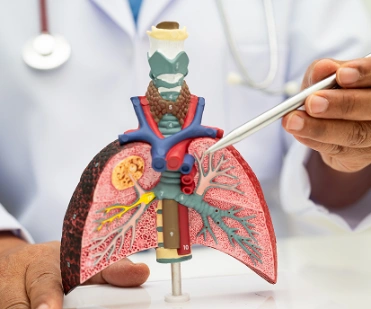
A lung transplant procedure becomes an option when one or both lungs cannot support normal breathing. Common conditions include:
Idiopathic pulmonary fibrosis
Scarring that stiffens the lungs and limits breathing
COPD
Long-term airway damage from smoking or pollution
Pulmonary hypertension
High blood pressure in lung arteries causing breathlessness and heart strain
Cystic fibrosis
A genetic condition causing thick mucus and repeated infections
Bronchiectasis
Damaged airways leading to frequent infections and poor lung function
These conditions often require guidance from a lung transplant doctor who specialises in advanced lung diseases.
Types of Lung Transplant
Single Lung Transplant
One damaged lung is replaced with a donor lung.
Double Lung Transplant
Both lungs are replaced. Recommended for conditions such as cystic fibrosis or severe COPD.
Heart-Lung Transplant
Used when both organs are severely affected. Your lung transplant surgeon will discuss which approach offers the best long-term outcome.
How a Lung Transplant Is Done
If you are wondering how a lung transplant is done, here is a clear step-by-step overview:
-
1
Assessment and Listing
Breathing tests, CT scans, heart evaluations, blood tests, and psychological assessments check your readiness.
-
2
Donor Matching
Matching is based on blood type, body size, and medical compatibility.
-
3
Surgery
The damaged lung is removed, and the donor lung is connected to the main airways and blood vessels.
-
4
ICU Recovery
Your breathing and oxygen levels are monitored closely.
-
5
Ward Recovery
Physiotherapy, breathing exercises, and medicines help strengthen your new lung.
-
6
Long-Term Follow Up
Regular visits keep the new lung healthy and stable.


Risks and Possible Complications
Common risks include:
Infection
Rejection of the donor lung
Breathing challenges during early recovery
Fluid build-up around the lungs
Long-term medication side effects
These are managed with close monitoring and specialised care.
Lung Transplant Success Rate
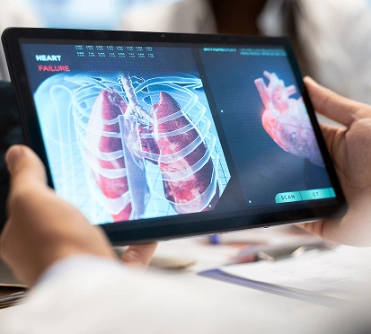
Lung transplant success rates continue to improve due to advancements in surgery, donor matching, medicines, and post-operative care. Many patients experience better breathing, increased activity levels, and improved quality of life within months. Individual outcomes vary, but long-term results continue to strengthen with modern transplant systems.

Lung Transplant Cost in India
The estimated cost of a lung transplant in India is Rs. 20 lakh to Rs. 40 lakh, depending on whether it is a single-lung or double-lung transplant and the patient’s medical condition.
Typical cost components include:
- Hospital and operation fees: Rs. 15–30 lakh
- ICU and ward stay: Rs. 3–6 lakh
- Immunosuppressive medicines: Rs. 2–3 lakh per year
- Follow-up tests and consultations: Rs. 1–2 lakh per year
Pre-Transplant Evaluation Checklist
Before surgery, patiens undergo:
- Lung function tests
- Chest CT scan
- Heart evaluation
- Kidney and liver function tests
- Infection screening
- Nutritional assessment
- Dental and ENT review
- Psychological readiness check


Surgeon Expertise Matters
Many patients look for the best lung transplant doctor in India or consult a highly experienced lung transplant surgeon before making a decision. Skilled specialists offer better clinical outcomes, clearer communication, and consistent follow-up support throughout the journey.
Take the Next Step
If you are exploring lung transplantation or want clarity about your treatment options, our specialists can guide you with personalised advice, expected outcomes, and a transparent breakdown of lung transplant cost in India.
Book Specialist Consultation