
Bone Marrow Transplant


Bone Marrow Transplant in India
Get connected with experienced bone marrow transplant hospitals and bone marrow transplant doctors in India, with personalised guidance on bone marrow transplant procedures, eligibility, donor requirements, and treatment options for patients from India and abroad.
• Accredited transplant hospitals
• Experienced bone marrow transplant doctors
• Support for domestic and international patients
• Assistance with donor evaluation and travel for overseas patients
Key Facts About Bone Marrow Transplant in India
A bone marrow transplant in India involves careful evaluation of the recipient and donor, the transplant procedure, and structured follow-up care. The bone marrow transplant procedure is performed by a specialised transplant team, and the treatment plan is based on the patient’s medical condition, donor suitability, and clinical requirements.
- Procedure duration: The infusion itself usually takes a few hours
- Hospital stay: Around 3–4 weeks, including a period of isolation
- Donor options: Patient’s own cells (autologous), matched related or unrelated donor (allogeneic), or cord blood
- Recovery time: Usually several weeks to a few months
- Transplant guidance: Share your reports with our team

What Is a Bone Marrow Transplant?
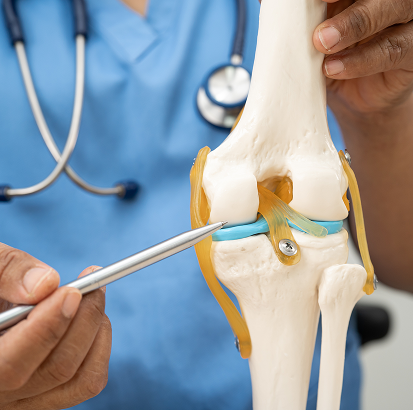
A bone marrow transplant, by definition, is a medical procedure in which damaged or diseased bone marrow is replaced with healthy blood-forming stem cells. This is the meaning of bone marrow transplantation: a treatment option for eligible patients whose bone marrow is no longer able to produce enough healthy blood cells, using cells from the patient’s own body or from a donor.
Who Needs a Bone Marrow Transplant?
A bone marrow transplant may be considered for people whose bone marrow is damaged, diseased or not functioning adequately, particularly when other treatments are no longer effective. The transplant team assesses each patient individually before recommending transplantation.
Common reasons and indications and eligibility for bone marrow transplant may include:
✓ Certain blood cancers
✓ Bone marrow failure conditions
✓ Certain inherited blood or immune disorders
✓ Damage to bone marrow from prior treatment
✓ Conditions where transplantation is considered medically appropriate


Bone Marrow Transplant Procedure and Process Time
A bone marrow transplant procedure involves infusing healthy blood-forming stem cells into the patient’s bloodstream, similar to a blood transfusion, after the patient has undergone preparatory treatment to condition the bone marrow. This is how a bone marrow transplant is done: the infusion itself typically takes a few hours, after which the new cells travel to the bone marrow and gradually begin producing healthy blood cells.
- Preparatory treatment is given before the infusion
- The stem cell infusion itself usually takes a few hours
- No open surgery is involved in the infusion process
- New cells gradually begin functioning over the following weeks
- Hospital stay of around 3 to 4 weeks, including a period of isolation
Bone Marrow Transplant Donor Requirements
A bone marrow transplant donor may be the patient themselves, a medically eligible related or unrelated living donor, or a cord blood unit, depending on the type of transplant recommended. Before a donation is approved, the donor undergoes detailed medical, compatibility and psychological evaluation to determine whether the donation is safe for the donor and suitable for the recipient.
For a related or unrelated living donor, the evaluation generally considers:
Tissue (HLA) compatibility with the recipient
HLA typing is used to assess how closely the potential donor's tissue type matches the recipient's.
Blood group and immunological compatibility
Blood group and immunological testing help the transplant team assess overall compatibility between donor and recipient.
Good overall physical health
The donor should be in suitable physical health, with relevant health parameters evaluated before donation.
Adequate bone marrow or stem cell health
The potential donor undergoes detailed medical testing to determine whether donation is safe and appropriate.
Mental and psychological fitness
A psychological assessment helps confirm that the donor understands the donation process and is medically and psychologically fit to donate.
Comprehensive medical and psychological evaluation
Living donation must also meet the applicable legal and regulatory requirements for transplantation in India.
Eligibility under applicable Indian donation regulations
Living donation must meet applicable Indian regulations, with the donor's eligibility verification.
Bone Marrow Transplant Process in India
The bone marrow transplant process in India generally involves several stages.
-
1
Initial Medical Evaluation
Assessment of the underlying condition, overall health and transplant suitability.
-
2
Recipient Testing
Blood tests, imaging, organ function assessment and other investigations may be performed.
-
3
Donor Evaluation or Cell Collection
For allogeneic transplant, a suitable donor is identified and evaluated; for autologous transplant, the patient's own cells are collected in advance.
-
4
Preparatory (Conditioning) Treatment
The patient receives treatment to prepare the bone marrow to receive the new cells.
-
5
Bone Marrow Transplant Procedure
The healthy stem cells are infused and monitored for engraftment.
-
6
Post-Transplant Monitoring
Regular follow-up, medicines and laboratory testing are required to monitor blood counts and detect complications.

Bone Marrow Transplant Side Effects and Complications
Bone marrow transplantation can involve potential side effects and complications. Some may occur shortly after the procedure, while others can develop during long-term follow-up.
Possible side effects and complications include:
Infection due to a weakened immune system
Low blood counts and related bleeding or fatigue
Graft failure
Graft-versus-host disease (in allogeneic transplant)
Delayed recovery of normal blood cell production
Medication-related side effects
Organ-related complications
Bone Marrow Transplant Recovery
Recovery after a bone marrow transplant varies from patient to patient. Hospital monitoring is required for several weeks to assess engraftment, blood counts, infection risk and possible complications, often in a protective isolation setting. After discharge, patients require regular medical follow-up and prescribed medicines to support recovery and reduce the risk of complications.

Bone Marrow Transplant Cost in India
The estimated cost of a bone marrow transplant in India ranges from Rs. 15 lakh to Rs. 30 lakh, depending on transplant type and complexity.
Typical cost components include:
- Hospitalisation and procedure costs: Rs. 10–18 lakh
- Conditioning therapy and medicines: Rs. 3–6 lakh
- ICU and ward stay: Rs. 2–4 lakh
- Follow-up care and monitoring: Variable based on recovery
Pre-Transplant Evaluation Checklist
Before transplantation, patients undergo:
- Blood tests and bone marrow studies
- Genetic and tissue matching
- Cardiac and lung evaluation
- Kidney and liver function tests
- Infection screening
- Imaging studies
- Psychological and social support assessment


Specialist Expertise Matters
Bone marrow transplantation requires close coordination between haematologists, transplant physicians, laboratory teams, and nursing staff. Choosing an experienced transplant centre and specialist is critical for safety, recovery, and long-term outcomes.
Take the Next Step
If you are exploring bone marrow transplant options or need clarity on treatment pathways, our specialists can provide personalised guidance and transparent information.
Book Specialist Consultation