

Bone Marrow Transplant


Rebuilding the Body’s Blood-Forming System
Diseases of the blood and immune system affect the body at its core: how blood cells are produced, how infections are fought, and how oxygen is delivered to tissues. When the bone marrow no longer functions properly, the impact is systemic rather than confined to a single organ. For certain conditions, a bone marrow transplant offers a way to restore healthy blood cell production and reset immune function.
India has developed strong expertise in bone marrow transplantation, supported by trained haematologists, transplant specialists, advanced laboratory support, and structured post-transplant care. Whether you are consulting a bone marrow transplant doctor in India or exploring treatment pathways, this guide explains the process in a clear, step-by-step manner.
What Is a Bone Marrow Transplant
A bone marrow transplant is a procedure that replaces damaged or diseased bone marrow with healthy stem cells. These stem cells are responsible for producing red blood cells, white blood cells, and platelets. Instead of surgically replacing an organ, the transplant works by re-establishing normal blood and immune cell production within the body.
A bone marrow transplant specialist evaluates suitability based on diagnosis, disease stage, response to prior treatments, and overall health status.


Understanding Bone Marrow
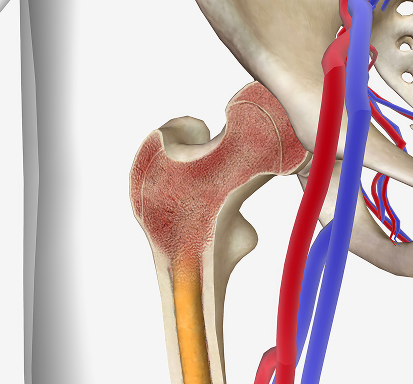
Bone marrow is a soft, spongy tissue found inside bones such as the pelvis, ribs, and spine. It contains stem cells that develop into all types of blood cells needed for oxygen transport, clotting, and immune defense.
When bone marrow is affected by cancer, genetic disorders, or treatment-related damage, blood cell production becomes abnormal or insufficient. This can lead to infections, bleeding problems, and severe anaemia. A bone marrow transplant aims to restore this foundational system rather than targeting symptoms alone.
Conditions That May Require a Bone Marrow Transplant
Bone marrow transplantation may be considered for conditions such as:
- Leukaemia
- Lymphoma
- Multiple myeloma
- Aplastic anaemia
- Thalassaemia and other inherited blood disorders
- Certain immune deficiency disorders
Your transplant team evaluates whether a transplant offers better long-term disease control compared to standard therapies.


When Doctors Recommend a Bone Marrow Transplant
A bone marrow transplant is usually recommended when:
- The disease does not respond adequately to conventional treatment
- There is a high risk of disease recurrence
- Bone marrow function is severely compromised
- Long-term disease control requires replacement of the marrow itself
A bone marrow transplant doctor weighs benefits, risks, donor availability, and expected recovery before proceeding.
Types of Bone Marrow Transplant
Autologous Bone Marrow Transplant
The patient’s own stem cells are collected, stored, and re-infused after intensive treatment. This is commonly used in certain cancers.
Allogeneic Bone Marrow Transplant
Stem cells are obtained from a compatible donor, such as a sibling or matched unrelated donor. This approach replaces the diseased marrow with a healthy immune system.
Haploidentical Transplant
A partially matched family donor is used when a fully matched donor is not available.
Umbilical Cord Blood Transplant
Stem cells collected from donated umbilical cord blood are used, particularly when donor matches are limited.
Your transplant specialist will recommend the most appropriate type based on disease characteristics and donor compatibility.
How a Bone Marrow Transplant Is Done
-
1
Pre-Transplant Evaluation
Comprehensive testing assesses organ function, infection risk, and treatment readiness.
-
2
Conditioning Therapy
Chemotherapy, with or without radiation, prepares the body to receive new stem cells.
-
3
Stem Cell Infusion
Healthy stem cells are infused through a vein, similar to a blood transfusion.
-
4
Engraftment Phase
The new stem cells begin producing healthy blood cells.
-
5
Hospital Recovery
Close monitoring continues to manage infections, blood counts, and complications.
-
6
Long-Term Follow-Up
Regular assessments ensure immune recovery and disease control.

Risks and Possible Complications
Potential complications include:
Infections due to low immunity
Graft-versus-host disease (in allogeneic transplants)
Delayed blood cell recovery
Organ stress from conditioning therapy
Long-term immune suppression effects
These risks are carefully managed through specialised monitoring and follow-up care.
Bone Marrow Transplant Success Rate
Outcomes depend on the underlying condition, transplant type, donor match, and patient health. Advances in donor matching, supportive care, and infection control have significantly improved success rates, especially when transplantation is performed at the appropriate disease stage.

Bone Marrow Transplant Cost in India
The estimated cost of a bone marrow transplant in India ranges from Rs. 15 lakh to Rs. 30 lakh, depending on transplant type and complexity.
Typical cost components include:
- Hospitalisation and procedure costs: Rs. 10–18 lakh
- Conditioning therapy and medicines: Rs. 3–6 lakh
- ICU and ward stay: Rs. 2–4 lakh
- Follow-up care and monitoring: Variable based on recovery
Pre-Transplant Evaluation Checklist
Before transplantation, patients undergo:
- Blood tests and bone marrow studies
- Genetic and tissue matching
- Cardiac and lung evaluation
- Kidney and liver function tests
- Infection screening
- Imaging studies
- Psychological and social support assessment


Specialist Expertise Matters
Bone marrow transplantation requires close coordination between haematologists, transplant physicians, laboratory teams, and nursing staff. Choosing an experienced transplant centre and specialist is critical for safety, recovery, and long-term outcomes.
Take the Next Step
If you are exploring bone marrow transplant options or need clarity on treatment pathways, our specialists can provide personalised guidance and transparent information.
Book Specialist Consultation