
Heart Transplant


A New Heart, A New Life
Living with advanced heart failure can be emotionally and physically exhausting. Everyday tasks become difficult, and the uncertainty about what comes next can feel overwhelming. A heart transplant offers a renewed chance at life by replacing a failing heart with a healthy donor heart, helping patients regain strength, comfort, and independence.
Living with advanced heart failure can be emotionally and physically exhausting. Everyday tasks become difficult, and the uncertainty about what comes next can feel overwhelming. A heart transplant offers a renewed chance at life by replacing a failing heart with a healthy donor heart, helping patients regain strength, comfort, and independence.
What is a Heart Transplant?
A heart transplant is a life-saving operation in which a severely weakened heart is replaced with a healthy donor heart. It is recommended when medicines, lifestyle changes, and surgical treatments no longer control symptoms. If you have been searching for the heart transplant definition or heart transplant meaning, the concept is simple: the surgery aims to restore normal circulation so that the body can function properly again.
A heart transplant doctor in India will determine suitability through assessments that review your overall health, heart condition, and expected recovery.


Understanding the Heart
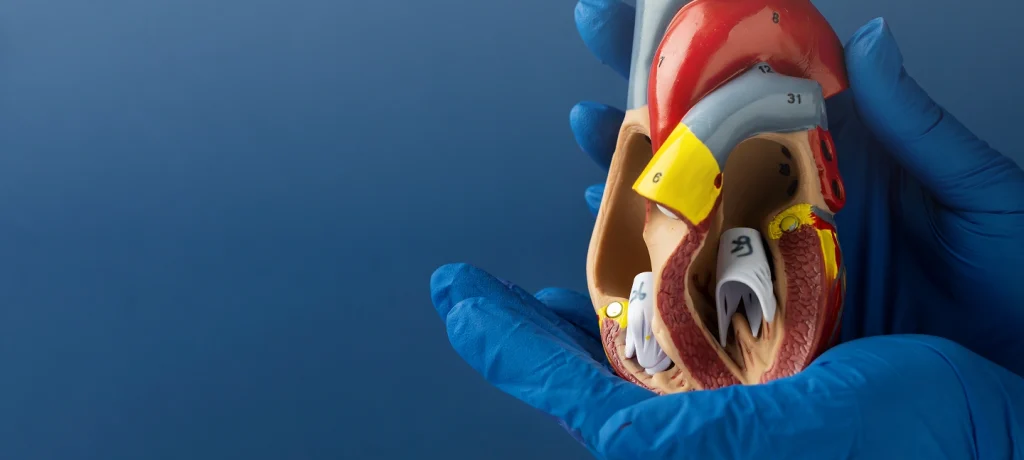
The heart is a strong muscular pump located in the centre of the chest. It has four chambers that work in a steady rhythm to circulate blood. Valves ensure blood flows in the correct direction, while large vessels transport blood to and from the heart. The coronary arteries supply the heart muscle with oxygen so it can continue beating.
With each heartbeat, oxygen-rich blood is delivered to your organs. Oxygen-poor blood returns to the lungs, where it is refreshed. When the heart becomes stretched, stiff, inflamed, or scarred, this natural cycle slows down. The lungs may fill with fluid, fatigue increases, and the brain receives less oxygen. At this stage, a heart transplant doctor may begin discussing transplantation as a potential next step.
Symptoms That Indicate the Heart Is Failing
Typical symptoms include:
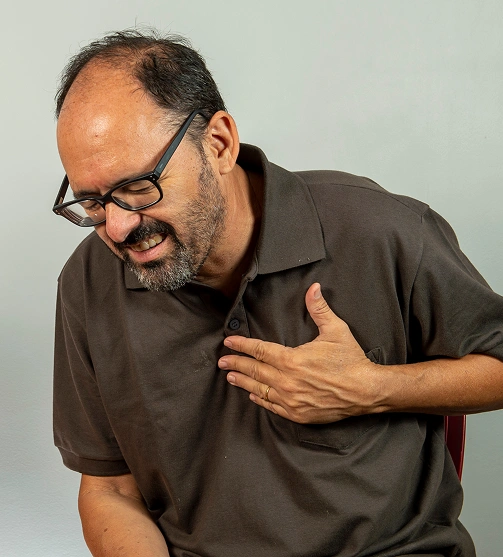
- Breathlessness during activity or at rest
- Chest heaviness or discomfort
- Dizziness or fainting
- Persistent tiredness
- Swelling in the legs, ankles, or abdomen
If these symptoms continue despite treatment, a heart transplant surgeon may evaluate whether transplantation will improve long-term health and quality of life.


When Doctors Recommend a Heart Transplant
Ischaemic Cardiomyopathy
Heart muscle damage after repeated heart attacks that reduces pumping strength and eventually requires evaluation by a heart transplant surgeon in India
Dilated cardiomyopathy
An enlarged, stretched heart that cannot pump blood properly, often leading doctors to discuss whether a heart transplant is possible
Severe congenital heart conditions
Complex heart defects present since birth that cannot be corrected with other surgeries and may need assessment by a specialist heart transplant doctor in India
End-stage heart failure
The heart no longer responds to medicines or devices, and a heart transplant procedure becomes the safest long-term option recommended by senior heart transplant surgeons
Types of Heart Transplant
Orthotopic Heart Transplant
The standard and most common approach. The damaged heart is removed and replaced with a donor heart.
Heterotopic Heart Transplant
The donor heart is added alongside the existing heart for additional support. This is used only in specific cases.
Combined Organ Transplantation
For patients with more than one organ affected, such as heart-lung or heart-kidney transplantation.
How a Heart Transplant Is Done
If you are wondering how is a heart transplant done, here is the step-by-step overview:
-
1
Assessment and Listing
Heart, lung, kidney, and liver function are evaluated. Emotional readiness is also reviewed.
-
2
Donor Matching
Blood type, body size, and tissue compatibility are checked to find the safest match.
-
3
Surgery
The weakened heart is removed carefully, and the healthy donor heart is attached to the main blood vessels.
-
4
ICU Recovery
Your new heart is monitored closely as it begins to adjust.
-
5
Ward Recovery
Rehabilitation begins with gradual movement, breathing exercises, and medication adjustments.
-
6
Long-Term Follow Up
Regular visits help protect your new heart and ensure smooth recovery.


Risks and Possible Complications
These are managed through close monitoring and regular follow-up care provided by your heart transplant doctor and support team.

Infection

Organ rejection

Kidney / liver stress

Fluid build-up

Long-term medication effects
Heart Transplant Success Rate
The heart transplant success rate continues to improve due to modern surgical techniques and advanced care after the operation. Many patients notice improvements in their breathing, strength, and confidence within weeks to months. Long-term outcomes are strong when follow-up care is consistent.


Heart Transplant Cost in India
The estimated cost of a heart transplant is ₹23 lakh – ₹35 lakh. Typical cost components include:
- Hospital and Operation Fees: ₹18–22 lakh
- ICU and Ward Stay: ₹2–4 lakh
- Immunosuppressive Medicines: ₹2–2.1 lakh per year
- Follow-up Tests and Consultations: ₹50,000–1.5 lakh per year
Pre-Transplant Evaluation Checklist
Before surgery, you will undergo:
- ECG and echocardiogram
- Cardiac catheterisation
- Kidney and liver function tests
- Infection screening
- Lung function tests
- Cancer screening
- Dental and ENT evaluation
- Psychological and social support assessment

Surgeon Expertise Matters
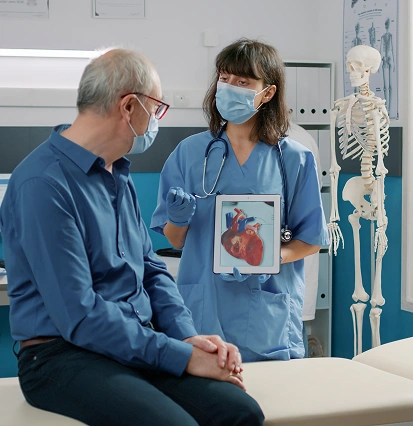
Choosing the right surgeon is an important part of the journey. Many patients look for the best heart transplant surgeon or explore global options such as the best heart transplant surgeon in the world. India is home to several highly trained specialists, and you will be guided by a dedicated heart transplant surgeon in India throughout your treatment.
Your surgeon’s skill, experience, and communication play a significant role in your overall experience and outcome.
Take the Next Step
If you are considering heart transplantation or want clarity about your treatment options, our specialists can guide you with personalised advice and transparent cost information.
Book Specialist Consultation