

Liver Transplant


A Healthy Liver, A Healthier You
The liver is central to nearly every process in the body, from filtering toxins to regulating metabolism and producing essential proteins. When it begins to fail, the consequences ripple throughout the body in ways that are often invisible until they become serious. For patients with severe liver disease, transplantation is not just a procedure; it’s the replacement of a critical organ that powers overall health.
A liver transplant offers a precise solution: it restores the liver’s ability to perform its vital roles, stabilizes complex metabolic functions, and creates the foundation for long-term wellness. This is a highly specialized process that requires expert surgical teams, meticulous post-operative care, and careful coordination between patient and provider.
India has emerged as a destination for cutting-edge liver transplantation, combining surgical expertise, advanced medical technology, and structured recovery programs. For those navigating the journey, understanding the medical, logistical, and recovery aspects of transplantation is key to approaching this life-changing treatment with clarity and confidence.
What Is a Liver Transplant?
A liver transplant is a surgical procedure in which a failing liver is replaced with a healthy donor liver. It is usually recommended when medications, lifestyle measures, or other surgeries no longer control liver failure symptoms.
A liver transplant doctor in India evaluates your overall health, liver condition, and suitability for surgery before confirming if transplantation is the best course of action.

Understanding the Liver
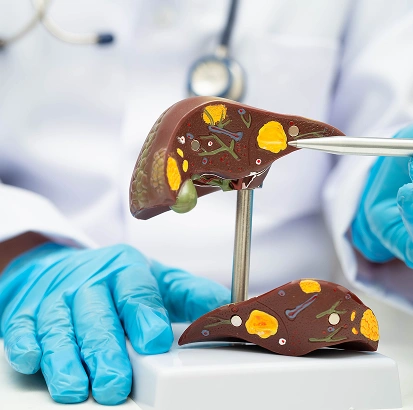
The liver is a vital organ located in the upper right abdomen, responsible for filtering toxins, producing essential proteins, aiding digestion, and storing energy.
When liver cells are severely damaged by conditions such as cirrhosis, hepatitis, or fatty liver disease, the organ’s ability to perform these essential functions declines. This can lead to jaundice, fluid buildup, fatigue, and other complications. At this stage, a liver transplant surgeon may discuss transplantation as a potential solution.
Symptoms Indicating Liver Failure
Typical signs that may prompt evaluation include:
- Persistent fatigue or weakness
- Yellowing of the skin or eyes (jaundice)
- Swelling in the abdomen, legs, or ankles
- Nausea or loss of appetite
- Confusion or cognitive changes
If these symptoms progress despite medical management, a liver transplant doctor may recommend assessment for transplantation.


When Doctors Recommend a Liver Transplant
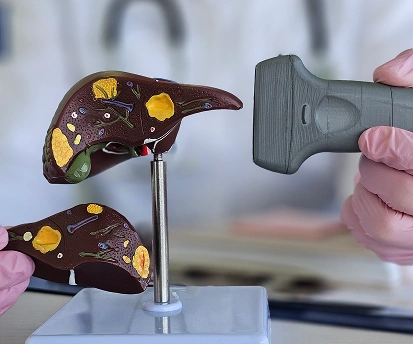
A liver transplant is considered when the liver can no longer sustain vital functions, even with medication or other interventions. Common conditions include:
Cirrhosis
scarring of the liver from chronic liver disease
Acute liver failure
rapid liver function loss due to toxins, infection, or drug reactions
Chronic hepatitis
viral or autoimmune liver disease causing progressive damage
Metabolic or congenital liver disorders
rare conditions affecting liver function
Types of Liver Transplant
Orthotopic Liver Transplant
The most common procedure where the diseased liver is replaced with a donor liver.
Living Donor Liver Transplant
A portion of a healthy donor’s liver is transplanted into the recipient. The donor’s liver regenerates over time.
Combined Organ Transplant
In rare cases, the liver may be transplanted along with another organ, such as the kidney, if multiple organs are affected.
Auxiliary Liver Transplant
In this approach, a donor liver segment is transplanted <strong>without removing the patient’s original liver</strong>. This is sometimes used when the patient’s liver has the potential to recover, allowing the native liver to gradually regain function while the donor segment supports critical metabolic needs.
Split Liver Transplant
A single donor liver is divided so that <strong>two recipients</strong> can benefit — typically an adult and a child. This maximizes the use of available organs and addresses shortages.
Your liver transplant surgeon will determine the most appropriate type based on your condition.
How a Liver Transplant Is Done
Common risks include:
-
1
Evaluation and Listing
Comprehensive assessment of liver function, kidney function, and overall health, including emotional readiness.
-
2
Donor Matching
Compatibility is checked based on blood type, body size, and tissue match.
-
3
Surgery
The diseased liver is carefully removed, and the donor liver is connected to blood vessels and bile ducts.
-
4
ICU Recovery
The new liver is closely monitored as it starts functioning.
-
5
Ward Recovery
Patients begin rehabilitation, including diet planning, gradual activity, and medication management.
-
6
Long-Term Follow-Up
Regular visits monitor liver function, detect rejection early, and manage medications.


Risks and Possible Complications
Common risks include:
Infection
Organ rejection
Bleeding or bile duct complications
Kidney or other organ stress
Medication side effects
Close monitoring by your liver transplant doctor helps manage these risks effectively.
Liver Transplant Success Rate
Advances in surgical techniques and post-transplant care have improved outcomes significantly. Many patients experience enhanced energy, better quality of life, and restored liver function within months. Long-term success is highest when follow-up care is consistent.


Liver Transplant Cost in India
The estimated cost of a liver transplant ranges from Rs. 25 lakh to Rs. 40 lakh.
Typical cost components include:
- Hospital and operation fees: Rs. 20–28 lakh
- ICU and ward stay: Rs. 3–5 lakh
- Immunosuppressive medicines: Rs. 2–2.5 lakh per year
- Follow-up tests and consultations: Rs. 50,000–1.5 lakh per year
Pre-Transplant Evaluation Checklist
Before surgery, patients typically undergo:
- Blood tests and liver function tests
- Imaging (CT, MRI, or ultrasound)
- Kidney and heart function evaluation
- Infection screening
- Cancer screening
- Dental and ENT evaluation
- Psychological and social support assessment


Surgeon Expertise Matters
Choosing the right liver transplant surgeon in India is critical. Experience, communication, and technical skill play a major role in recovery and long-term success. Many patients also explore global benchmarks for liver transplantation expertise.
Take the Next Step
If you are considering a liver transplant or want clarity about your treatment options, our specialists can guide you with personalised advice and transparent cost information.
Book Specialist Consultation